
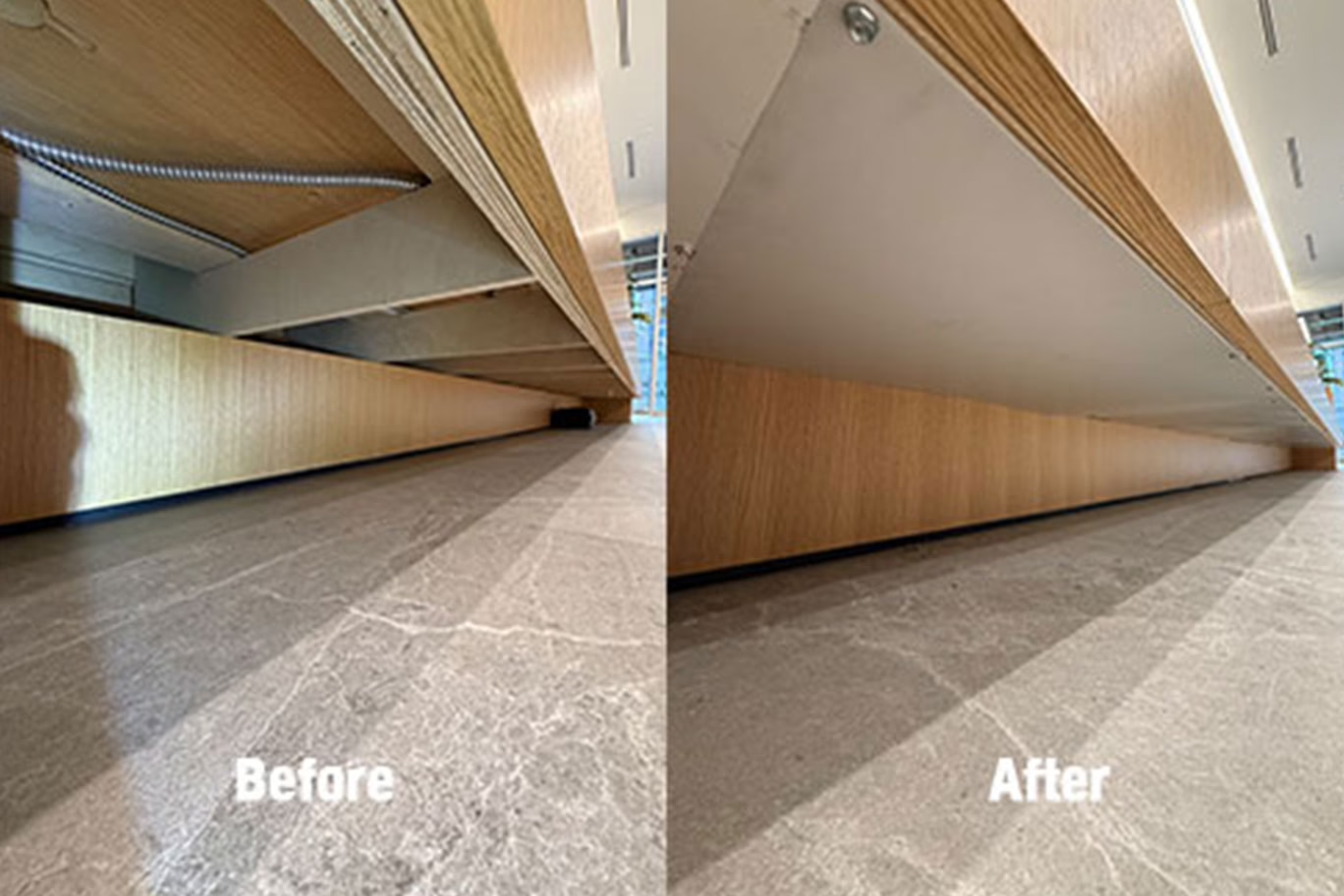
Professional Rodent Exclusion for Commercial Buildings in Vancouver
Rodent infestations are one of the most common and costly pest problems affecting commercial buildings in Vancouver and throughout Metro Vancouver. Rats and mice can enter buildings through surprisingly small openings and quickly establish nesting areas inside wall voids, mechanical spaces, and storage areas.
Restaurants, apartment buildings, warehouses, office buildings, grocery stores, and food production facilities are particularly vulnerable to rodent infestations because they provide rodents with easy access to food, shelter, and warmth.
While traps and bait stations are commonly used to reduce rodent populations, long-term control requires something far more important: structural rodent exclusion.
Rodent exclusion focuses on physically preventing rats and mice from entering a building in the first place. One of the most reliable and durable materials used in professional rodent proofing is sheet metal.
When properly installed, sheet metal creates a strong barrier that prevents rodents from chewing their way into vulnerable areas of a building.
At All City Pest Control, rodent exclusion and proofing are key components of our commercial pest management programs throughout Vancouver, Burnaby, Richmond, Surrey, and Coquitlam.
Why Rodent Infestations Are a Serious Problem for Businesses
Rodents are far more than a nuisance pest. They can cause extensive damage to commercial properties and pose serious health risks to employees, customers, and tenants.
Rats and mice are known to carry and spread a variety of bacteria and pathogens including:
- Salmonella
- Hantavirus
- Leptospirosis
- E. coli
In commercial environments such as restaurants and food processing facilities, rodent contamination can result in food safety violations, failed health inspections, and potential closures.
Rodents also cause significant structural damage to buildings. Their constantly growing teeth require them to chew on materials regularly, and they will gnaw on:
- Electrical wiring
- Wood framing
- Insulation
- Plastic piping
- Drywall
- Rubber seals
Rodent damage to electrical wiring can even create fire hazards in some buildings.
Because rodents reproduce rapidly and are capable of moving through hidden structural spaces, infestations can grow quickly if entry points are not properly sealed.
How Rats and Mice Enter Commercial Buildings
One of the reasons rodents are so difficult to control is their ability to squeeze through extremely small openings.
A mouse can fit through a gap as small as 6 millimeters, roughly the width of a pencil. Rats require slightly larger openings but can still enter through holes about the size of a quarter.
Common rodent entry points include:
- Gaps around plumbing pipes
- Openings around electrical conduits
- Cracks in building foundations
- Damaged door sweeps
- Gaps beneath loading dock doors
- Openings in rooflines or vents
- Utility penetrations in walls
- Broken or damaged siding
In multi-unit buildings such as apartment complexes and commercial properties, rodents often travel through shared wall cavities, ceiling spaces, and utility corridors, allowing them to move between units without being seen.
This makes it essential to identify and seal structural entry points as part of any rodent control program.
Why Many Rodent Proofing Materials Fail
Many building owners attempt to seal rodent entry points using materials that appear effective at first but fail over time.
Common materials that rodents can easily chew through include:
- Expanding foam
- Silicone sealant
- Plastic vent covers
- Wood boards or trim
- Rubber gaskets
- Low-grade patching materials
While these materials may temporarily block small openings, rodents can often chew through them within days or weeks.
Even steel wool, which is sometimes used for small gaps, may not provide a long-term solution when rodent pressure is high.
Because rodents rely heavily on their teeth to penetrate materials, durable metal barriers are often required to effectively stop them.
Why Sheet Metal Is One of the Best Materials for Rodent Exclusion
Sheet metal is widely considered one of the most effective materials for rodent proofing because it combines strength, durability, and long-term protection.
Professional pest control companies frequently rely on sheet metal when sealing larger entry points or reinforcing vulnerable structural areas.
There are several key reasons why sheet metal works so well.
Rodents Cannot Easily Chew Through Metal
Unlike materials such as wood, plastic, or foam, sheet metal cannot be easily penetrated by rodent teeth.
Rats and mice rely on gnawing to enlarge openings and create access points into buildings. When these areas are reinforced with metal barriers, rodents are unable to chew their way through.
This forces them to search for other entry points, which can then be identified and sealed during a professional exclusion program.
Long-Term Durability
Another major advantage of sheet metal is its durability.
Sheet metal can withstand years of exposure to moisture, temperature changes, and physical wear. Unlike many other materials, it does not degrade quickly or require frequent replacement.
This makes sheet metal an ideal solution for rodent proofing exterior areas of commercial buildings where long-term protection is needed.
Protection for High-Risk Entry Points
Certain areas of commercial buildings are particularly vulnerable to rodent entry.
Sheet metal is often installed in these high-risk locations to reinforce structural weak points.
Common areas where sheet metal is used include:
- Door frames and kick plates
- Gaps around utility penetrations
- Loading dock edges
- Exterior wall openings
- Garbage room walls
- Mechanical room penetrations
By reinforcing these areas with durable metal barriers, pest control technicians can significantly reduce the risk of rodent infestations.
Where Sheet Metal Is Commonly Installed for Rodent Proofing
Professional rodent exclusion programs often involve installing sheet metal in several critical areas of a building.
Pipe and Utility Penetrations
Pipes and electrical conduits frequently pass through exterior walls, creating small gaps where rodents can enter.
Installing sheet metal collars or plates around these penetrations helps prevent rodents from chewing around pipes and enlarging entry points.
Door Protection and Door Sweeps
Gaps beneath doors are one of the most common rodent entry points in commercial buildings.
Sheet metal kick plates and reinforced door sweeps help prevent rodents from chewing through door bottoms or squeezing underneath them.
These protections are especially important for:
- Restaurant back doors
- Garbage room entrances
- Mechanical room doors
- Loading dock access points
Exterior Wall Reinforcement
Rodents sometimes chew through weak siding materials or damaged wall areas to gain access to a building.
Installing sheet metal panels over damaged areas can prevent rodents from reopening these entry points.
Garbage and Waste Storage Areas
Garbage rooms and dumpster areas often attract rodents due to the presence of food waste.
Installing sheet metal along lower wall sections and vulnerable corners can help prevent rodents from chewing through walls to access these spaces.
Rodent Exclusion as Part of Integrated Pest Management
Rodent exclusion is most effective when combined with a comprehensive pest management strategy.
Professional rodent control programs often include:
- Exterior rodent bait stations
- Interior monitoring traps
- Structural exclusion work
- Sanitation recommendations
- Ongoing building inspections
By combining exclusion, monitoring, and prevention, businesses can significantly reduce the risk of rodent infestations.
Why Professional Rodent Exclusion Is Important
Rodent proofing requires more than simply sealing visible holes. Professional pest control technicians understand how rodents behave and where they are most likely to enter buildings.
During a professional inspection, technicians evaluate:
- Structural vulnerabilities
- Rodent travel routes
- Hidden entry points
- Environmental conditions that attract rodents
At All City Pest Control, our technicians provide detailed inspections and install durable rodent exclusion materials such as sheet metal to prevent rodents from gaining access to commercial buildings.
Commercial Rodent Proofing Services in Vancouver
Rodent infestations can create serious problems for businesses and property managers if they are not addressed quickly and effectively.
Using durable materials such as sheet metal for rodent exclusion is one of the most effective ways to prevent rats and mice from entering commercial buildings.
All City Pest Control provides professional rodent proofing and exclusion services throughout Metro Vancouver, including:
- Vancouver
- Burnaby
- Richmond
- Surrey
- Coquitlam
Our technicians work with restaurants, property managers, warehouses, and commercial property owners to identify rodent entry points, install durable exclusion materials, and implement long-term pest prevention strategies.
Protect Your Building from Rats and Mice
If your building is experiencing rodent activity, sealing structural entry points is one of the most important steps in preventing infestations.
All City Pest Control provides expert rodent inspections, exclusion services, and pest management programs designed to protect commercial buildings from rats and mice.
Contact All City Pest Control today to schedule a professional inspection and keep your property rodent-free.